
How Does Alcohol Consumption Affect the Immune System?
If you choose to drink, limit consumption to 1-2 standard drinks (12 oz beer, 5 oz wine, or 1.5 oz spirits) and alternate with water to stay hydrated, which can help mitigate some immune suppression. Alcohol can slow the bone marrow’s capacity to produce new white blood cells, which are crucial for fighting infections. Heavy drinking can lower the overall number of these white blood cells, reducing the body’s ability to combat pathogens. Long-term alcohol consumption can have even more profound effects on the immune system.
How to Support Your Immune System
Still, many people believe that an occasional glass or two of wine is no big deal. While there is some evidence to support this, the scales seem to tip unfavorably. Even moderate alcohol consumption can exert detrimental effects on your health in the long run. Excessive drinking suppresses your immune system and weakens key immune cells that combat infection. For instance, acute binge drinking can decrease the production of inflammatory cytokines, which are crucial for initiating an immune response. This means that our bodies may not respond as vigorously to pathogens, leaving us more vulnerable.
Supporting Overall Immune Health
At a microscopic level, alcohol triggers inflammation and disrupts vital communication pathways between cells, weakening immunity in more complex ways. The close connection between depression and a suppressed immune system has been well-researched and reported to cause heart and autoimmune diseases. Beneficial gut bacteria make up a large part of the immune system, but alcohol misuse can destroy them. When this happens, you get a dysbiosis, or imbalance of good and bad gut bacteria. The job of the immune system is to fight off foreign invaders like viruses and infections, but drug and alcohol misuse can have a significant effect on this natural defense mechanism. Getting treatment for AUD not only improves overall health but can also dramatically reduce the risks of immune suppression during flu and cold season.
Lifestyle Changes to Support Immune Health
- Once in the bloodstream, these bacterial products trigger systemic inflammation.
- This depletion can make you more susceptible to infection and disease, as your body has fewer defenders against invading microbes.
- This impairment can lead to an increased risk of respiratory infections, such as pneumonia and tuberculosis.
- In summary, your immune system is your body’s frontline defense, tirelessly working to keep you healthy.
It’s primarily processed in the liver, which works tirelessly to detoxify and cleanse our system. At The Raleigh House, we offer comprehensive treatment designed to heal both the body and mind. Quitting alcohol alone can feel overwhelming, especially when the body and mind are adjusting. Medically-supervised detox is the first step in repairing the immune system after alcohol dependence. Learn how to ditch fleeting goals and create realistic New Year health resolutions. Learn more about cell health and the power of your mitochondria in this episode of Take Back Your Health™.
— when alcohol enters the scene, it can potentially derail our superhero squad, wreaking havoc alcoholism in the immune system and undermining its effectiveness. White blood cells start functioning more effectively, and inflammation markers often decrease. These effects have been found both in those who have misused opioids and in those who use them therapeutically as a prescription drug. Beyond these factors, genetics, body mass, overall health, and co-existing conditions also shape how an individual’s immune system responds to alcohol.
- These effects have been found both in those who have misused opioids and in those who use them therapeutically as a prescription drug.
- Responsible drinking involves being mindful of the quantity and frequency of alcohol consumption.
- These doctors specialize in addiction medicine and can provide personalized care to individuals struggling with drug dependence.
- Innate immunity acts as the first line of defense, providing immediate but nonspecific protection.
- The liver is essential for detoxifying the bloodstream, regulating metabolism, and producing proteins crucial for immune function and blood clotting.
Brandon Okey is the co-founder of Ardu Recovery Center and is dedicated to alcohol and immune system empowering people on their journey to sobriety. Instead of going at it alone, take your first steps toward a new life and contact the experts at Ardu Recovery Center today. We offer specialized detox and rehab programs to suit whatever your unique needs may be and to make recovery as comfortable and successful as possible. We are located in stunning Provo, Utah, and have a full range of recovery programs and addiction resources. The smartest thing you can do for yourself is to steer clear of the bottle altogether.

However, recovery depends on several factors including duration of heavy drinking, overall health status, nutrition, age, and presence of other medical conditions. Even moderate drinkers may experience subtle immune changes but usually not severe enough to cause major health issues. However, binge drinking causes sudden drops in immunity that can last hours or days after drinking stops. A balanced diet, hydration, regular physical activity, and adequate sleep all support immune repair. Supplements such as vitamins C and D may help, but professional treatment and lifestyle changes are most effective for long-term immune recovery.
- Many substances cause dehydration, mental or physical fatigue, and lack of food or sleep, which can result in a weakened immune system.
- As cold and flu season approaches, combined with the ongoing presence of COVID-19, maintaining a healthy immune system is essential.
- Understanding the role alcohol plays in our lives can help us make more informed decisions about our consumption.
- When we talk about how alcohol consumption weakens the immune system, it’s important to understand the underlying science that explains this connection.
Working with a concierge drug dependence doctor can have several benefits in improving immune function. These doctors specialize in addiction medicine and can provide https://lucaengwud.com/1st-anniversary-of-addiction-recovery-cards-from/ personalized care to individuals struggling with drug dependence. A concierge addiction doctor can provide a range of services, including comprehensive assessments, individualized treatment plans, and ongoing support. The most surefire way to achieve success in recovery is to make and execute a well-thought-out plan, with the support of caring professionals. Going through the stages of alcohol recovery can be stressful, but it’s less difficult with the right support system in place.
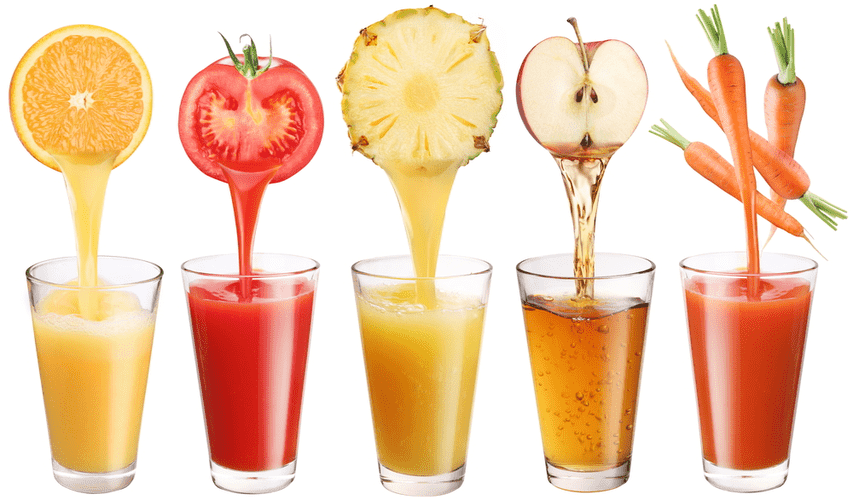
As you abstain, natural killer cells regain their optimal function, improving the body’s ability to fight off infections. The overall inflammatory burden decreases, reducing the risk of chronic diseases. Quitting alcohol positively impacts mental health, as alcohol-induced stress diminishes. This recovery process highlights the resilience of the immune system when freed from the suppressive effects of alcohol. While many people believe that alcohol weakens the immune system in dose-dependent effects, the fact is that even moderate consumption of alcohol can cause adverse effects. But even moderate alcohol intake can compromise immune responses, making people more susceptible to infections.
Alcohol Alternatives That Support Immune Health

This suppression leads to increased susceptibility to illnesses like pneumonia, tuberculosis, and even certain cancers. Reducing alcohol intake can restore immune function over time, improving resistance to infections and supporting overall health. For those who choose to drink, moderation and awareness are key to protecting immune health. Moreover, alcohol affects the production of cytokines, the signaling molecules that help coordinate the immune response. Chronic alcohol intake can lead to an imbalance in cytokine levels, promoting inflammation and weakening the body’s ability to respond effectively to infections. This dysregulation can result in prolonged or excessive inflammation, which damages tissues and impairs healing.


